

An ACL injury can happen suddenly during sports, exercise, a fall, or an awkward twisting movement. Some people hear or feel a “pop” in the knee, followed by swelling and difficulty continuing the activity. Others notice a more persistent problem: the knee feels unstable or gives way during movement. When these symptoms continue, evaluation at an ACL Surgery Hospital in Katraj can help determine the extent of the injury and whether surgery is necessary.
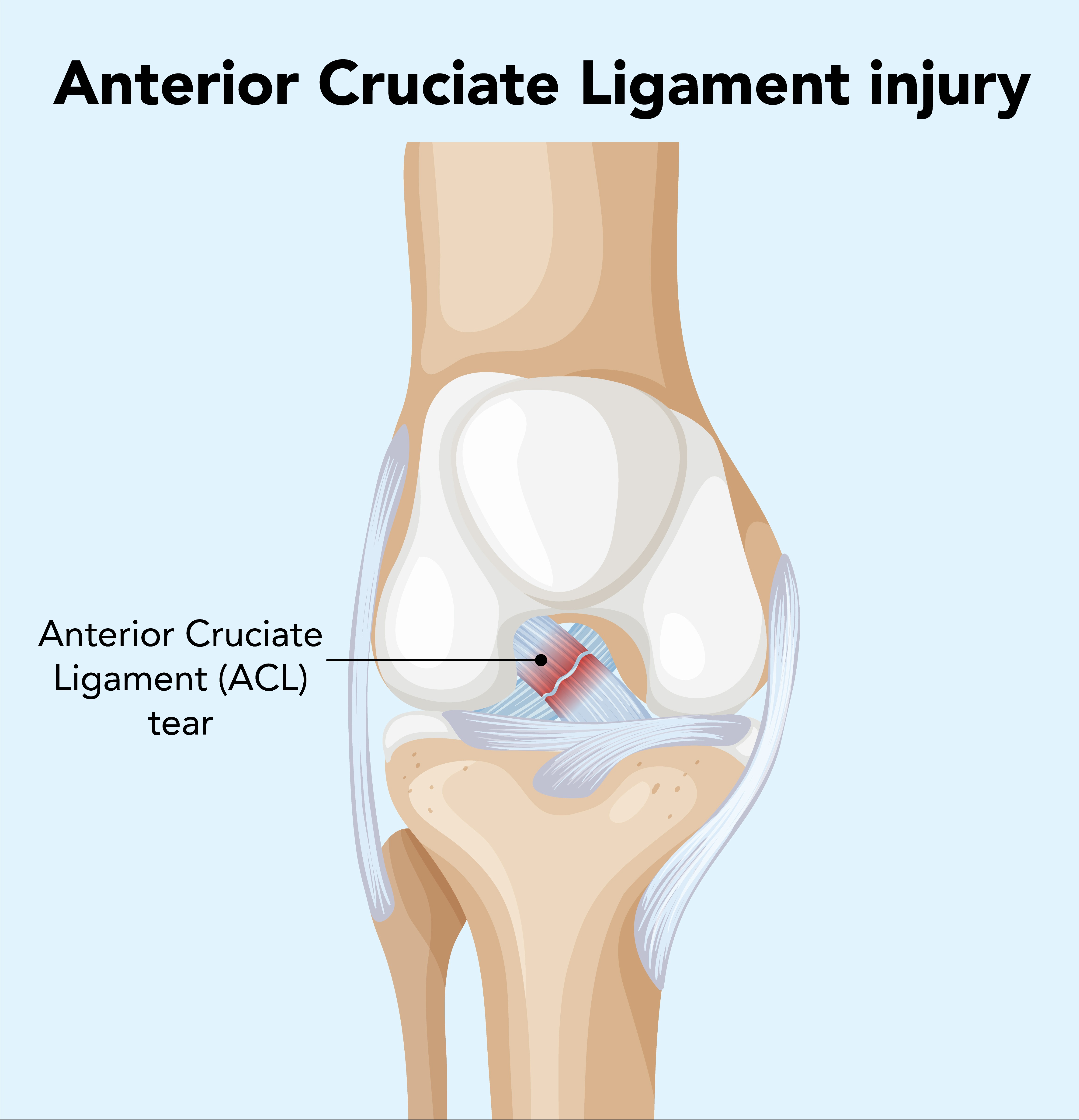
The anterior cruciate ligament, commonly called the ACL, is one of the major ligaments that stabilise the knee. It is particularly important during movements involving sudden direction changes, pivoting, jumping, and rapid stopping.
Does Every ACL Tear Require Surgery
No. Treatment depends on the type of tear, knee stability, activity requirements, age, associated injuries, and the patient's expectations.
A partial ACL injury with reasonable knee stability may sometimes be managed through physiotherapy and structured rehabilitation. Strengthening the muscles surrounding the knee can improve control and help some patients return to everyday activities.
Surgery may be considered when:
- The ACL is completely torn
- The knee repeatedly gives way
- Sports or work require pivoting movements
- Other structures such as the meniscus are injured
- Instability continues despite rehabilitation
- The patient wants to return to demanding physical activities
The decision should therefore be based on functional needs rather than the MRI report alone.
How Is an ACL Injury Evaluated
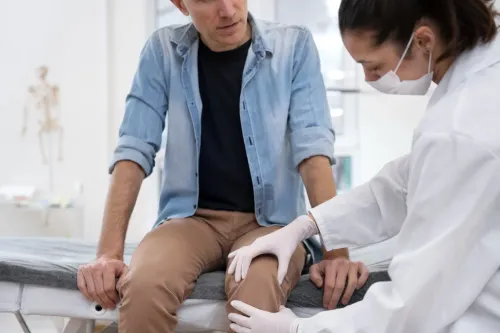
Orthopaedic assessment usually includes a discussion about how the injury occurred, when swelling developed, whether the patient could continue walking, and whether instability has occurred afterward.
Clinical tests help assess ligament stability. An MRI may be recommended to examine the ACL and identify associated meniscus, cartilage, or ligament injuries.
This evaluation helps distinguish between an isolated ACL injury and a more complex knee problem.
What Happens During ACL Reconstruction
When surgery is appropriate, ACL reconstruction generally involves replacing the damaged ligament with a graft. The exact surgical approach and graft selection depend on individual clinical factors.
The objective is to restore functional knee stability, but surgery is only one part of treatment. Rehabilitation has an equally important role.
After surgery, physiotherapy progresses through different stages. Early rehabilitation may focus on controlling swelling and restoring movement. Later stages concentrate on muscle strength, balance, coordination, running, and sport-specific movements when appropriate.
Returning to Activity Takes Time
A common mistake is assuming that feeling better means the ACL has fully recovered. Returning to demanding activity too quickly may place unnecessary stress on the healing knee.
Patients should follow objective rehabilitation milestones rather than choosing a return date independently.
At Spire Hospital-Best Orthopedic Hospital, patients in Katraj can undergo evaluation for ACL injuries and discuss conservative or surgical treatment based on the severity of the condition.
An ACL injury does not automatically mean surgery. The important question is whether the knee remains stable enough for the activities you need and want to perform.