Piles, also known as hemorrhoids, are among the most common anorectal conditions affecting adults. They develop when the veins inside or around the rectum become swollen, leading to discomfort that can interfere with work, travel, exercise, and routine daily activities. While many cases respond well to lifestyle changes and medication, some require surgical treatment. If you are searching for a piles surgeon in Pune, understanding when surgery becomes necessary can help you avoid prolonged discomfort and complications.
Understanding Piles
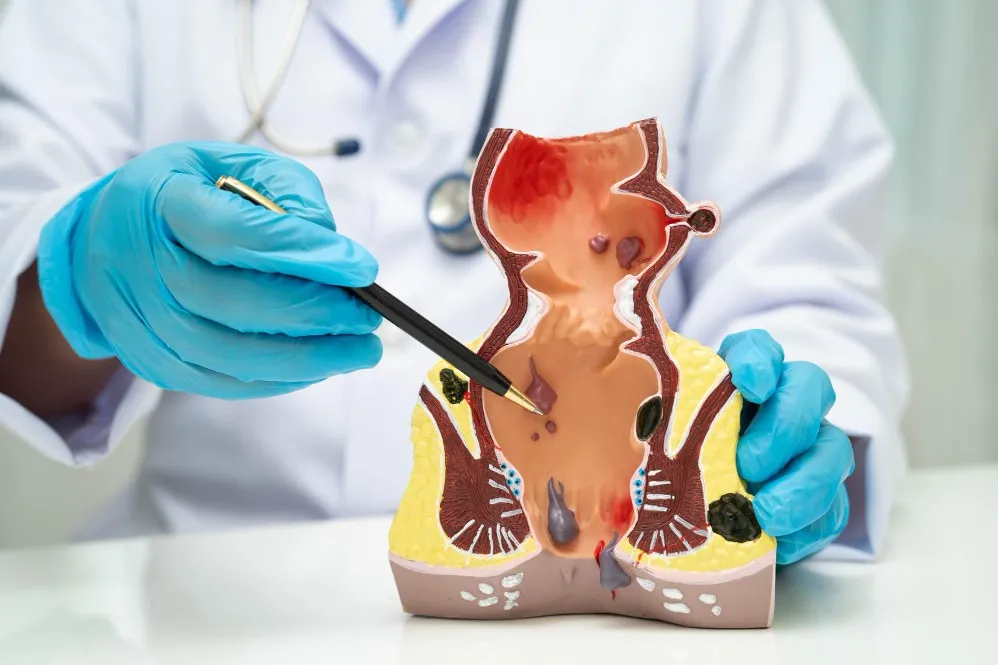
Piles are classified as either internal or external depending on their location.
Common factors contributing to piles include:
- Chronic constipation
- Prolonged sitting
- Straining during bowel movements
- Pregnancy
- Obesity
- Low-fiber diet
- Aging
Although piles are not usually life-threatening, untreated symptoms can significantly affect quality of life.
Common Symptoms
Symptoms vary depending on the severity of the condition.
Many patients experience:
- Bleeding during bowel movements
- Pain while sitting
- Itching around the anus
- Swelling
- A lump near the anal opening
- Mucus discharge
- Difficulty maintaining hygiene
Persistent bleeding or severe pain should always be evaluated by a qualified surgeon, as similar symptoms may occur with other colorectal conditions.
Non-Surgical Treatment Comes First
Most early-stage piles improve with conservative management.
Treatment may include:
- Increasing dietary fiber
- Drinking adequate water
- Stool softeners
- Warm sitz baths
- Prescription medications
- Avoiding prolonged straining
These measures help reduce symptoms and prevent further progression in many patients.
When Is Surgery Recommended?
Surgical treatment may be advised when:
- Piles repeatedly bleed
- Large hemorrhoids prolapse permanently
- Severe pain affects daily life
- Conservative treatment has failed
- Blood clots develop
- Frequent recurrence occurs
The decision depends on clinical examination and the severity of symptoms rather than age alone.
Surgical Options Available Today
Modern treatment has evolved considerably over the years.
Depending on the patient's condition, surgeons may recommend:
- Hemorrhoidectomy
- Stapler surgery
- Laser-assisted procedures where appropriate
- Rubber band ligation for selected cases
Each technique has different advantages, recovery expectations, and suitability based on the grade of piles.
Preparing for Surgery
Patients usually undergo:
- Medical evaluation
- Blood investigations
- Medication review
- Discussion about anesthesia
- Dietary guidance
- Instructions regarding fasting before surgery
Understanding the procedure beforehand helps reduce anxiety and prepares patients for recovery.
Recovery and Lifestyle Changes
Recovery doesn't end after surgery. Long-term success depends on healthy bowel habits.
Patients are encouraged to:
- Eat a high-fiber diet
- Stay well hydrated
- Avoid prolonged sitting on the toilet
- Exercise regularly
- Prevent constipation
- Follow prescribed medications
These measures reduce the risk of recurrence.
Seeking Expert Care in Pune
Individuals living in Bibwewadi, Kondhwa, Hadapsar, Wanowrie, Undri, and surrounding parts of Pune often prefer hospitals that provide complete surgical evaluation, modern treatment options, and post-operative guidance under one roof. Spire Hospital – Best Orthopedic Hospital also offers general surgical services where experienced specialists evaluate anorectal conditions carefully and recommend treatment tailored to each patient's needs.
Ignoring piles can lead to worsening symptoms that become increasingly difficult to manage. Early consultation with an experienced surgeon allows patients to receive an accurate diagnosis, explore non-surgical treatments where appropriate, and undergo timely intervention if surgery becomes the most effective option. With proper treatment and healthy lifestyle habits, most patients can return to their normal routines comfortably and confidently.
Keywords