Many people experience discomfort during bowel movements at some point in their lives, yet they often hesitate to seek medical advice because of embarrassment or the assumption that the problem will resolve on its own. While occasional symptoms may improve with lifestyle changes, persistent issues should be evaluated by a piles specialist doctor in Pune to prevent complications and receive the right treatment at the right time.
Piles, or hemorrhoids, affect people across different age groups. Office workers who sit for long hours, pregnant women, older adults, and individuals with chronic constipation are among those who commonly develop this condition. Early diagnosis can make treatment simpler and help patients avoid unnecessary discomfort.
What Causes Piles?
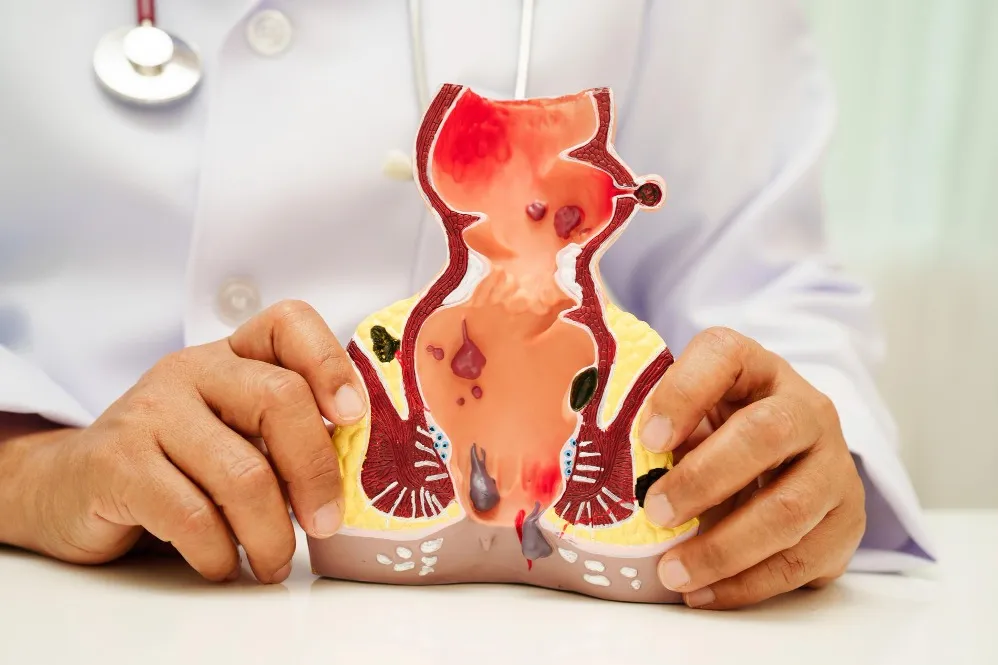
Piles occur when veins in the lower rectum or around the anus become swollen due to increased pressure. Several everyday habits and medical conditions contribute to this pressure.
Common causes include:
- Chronic constipation
- Frequent straining during bowel movements
- Sitting for prolonged periods
- Obesity
- Pregnancy
- Low-fiber diet
- Lack of regular physical activity
- Heavy lifting over extended periods
Often, more than one factor contributes to the condition.
Recognizing the Early Symptoms
Many patients ignore the first warning signs, believing they are temporary.
Symptoms that deserve medical attention include:
- Bright red bleeding during bowel movements
- Itching around the anal region
- Mild pain or discomfort
- Swelling near the anus
- A feeling of incomplete bowel emptying
- Small lumps around the anal opening
These symptoms may also resemble other digestive conditions, making professional evaluation important.
Understanding the Different Grades of Piles
Piles are generally classified into four grades based on severity.
Grade I
Small internal hemorrhoids that may bleed but do not protrude.
Grade II
The hemorrhoids protrude during bowel movements but return inside naturally.
Grade III
The hemorrhoids prolapse and require manual repositioning.
Grade IV
The hemorrhoids remain permanently outside and often require surgical treatment.
Knowing the grade helps doctors recommend the most suitable treatment approach.
Diagnosis Is Usually Straightforward
A consultation with a specialist typically involves:
- Medical history
- Symptom discussion
- Physical examination
- Digital rectal examination when necessary
- Proctoscopy or anoscopy for detailed evaluation
Additional investigations may be recommended if symptoms suggest another gastrointestinal condition.
Treatment Depends on Severity
Not every patient needs surgery. Many early-stage cases respond well to conservative care.
Treatment options may include:
- Dietary modifications
- Increased water intake
- Fiber supplements
- Prescription medications
- Sitz baths
- Lifestyle counseling
More advanced cases may require minimally invasive procedures or surgery depending on the extent of the condition.
Lifestyle Changes That Help Prevent Recurrence
Even after successful treatment, healthy habits remain important.
Simple preventive measures include:
- Eating plenty of fruits and vegetables
- Drinking adequate fluids daily
- Exercising regularly
- Avoiding unnecessary straining
- Responding promptly to the urge for bowel movements
- Limiting prolonged sitting
These habits improve bowel health and reduce pressure on rectal veins.
When Should You Visit a Specialist?
Arrange an evaluation if you experience:
- Bleeding that continues for several days
- Severe pain
- Increasing swelling
- Recurrent piles
- Difficulty sitting comfortably
- Symptoms that do not improve despite home care
Ignoring symptoms may allow the condition to progress unnecessarily.
Specialized Care Close to Home
People living in Hadapsar, Bibwewadi, Kondhwa, Wanowrie, Undri, and nearby areas often prefer hospitals offering both accurate diagnosis and comprehensive treatment under one roof. Spire Hospital – Best Orthopedic Hospital, through its general surgery services, provides evaluation for anorectal conditions using modern diagnostic methods and individualized treatment plans.
Piles are common, but they should never be dismissed as a condition that simply has to be tolerated. Early consultation with a specialist can identify the exact cause of symptoms, rule out other conditions, and ensure that patients receive appropriate treatment before the problem becomes more severe. Timely medical attention often leads to faster recovery and better long-term bowel health.
Keywords