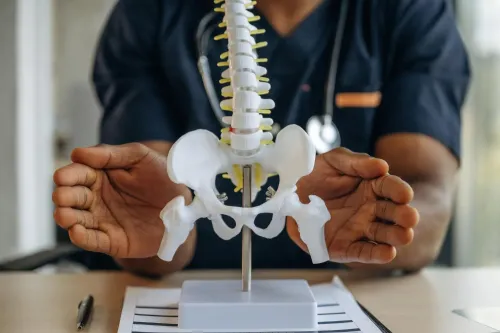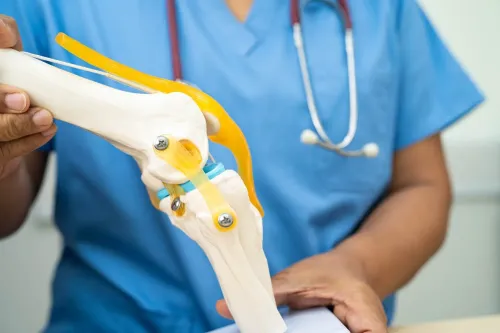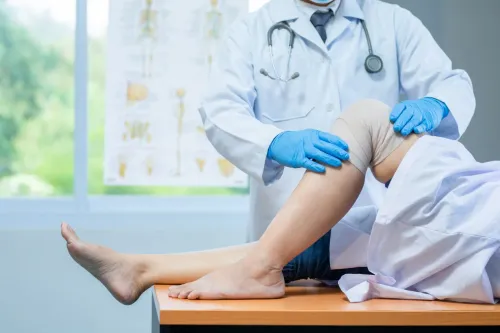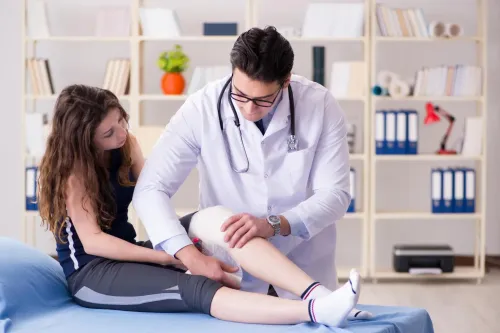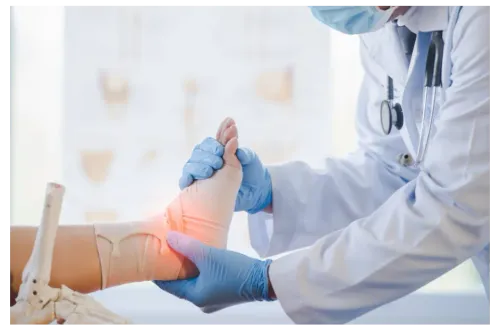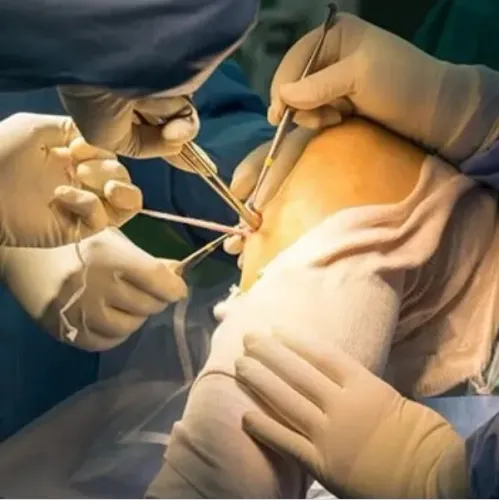
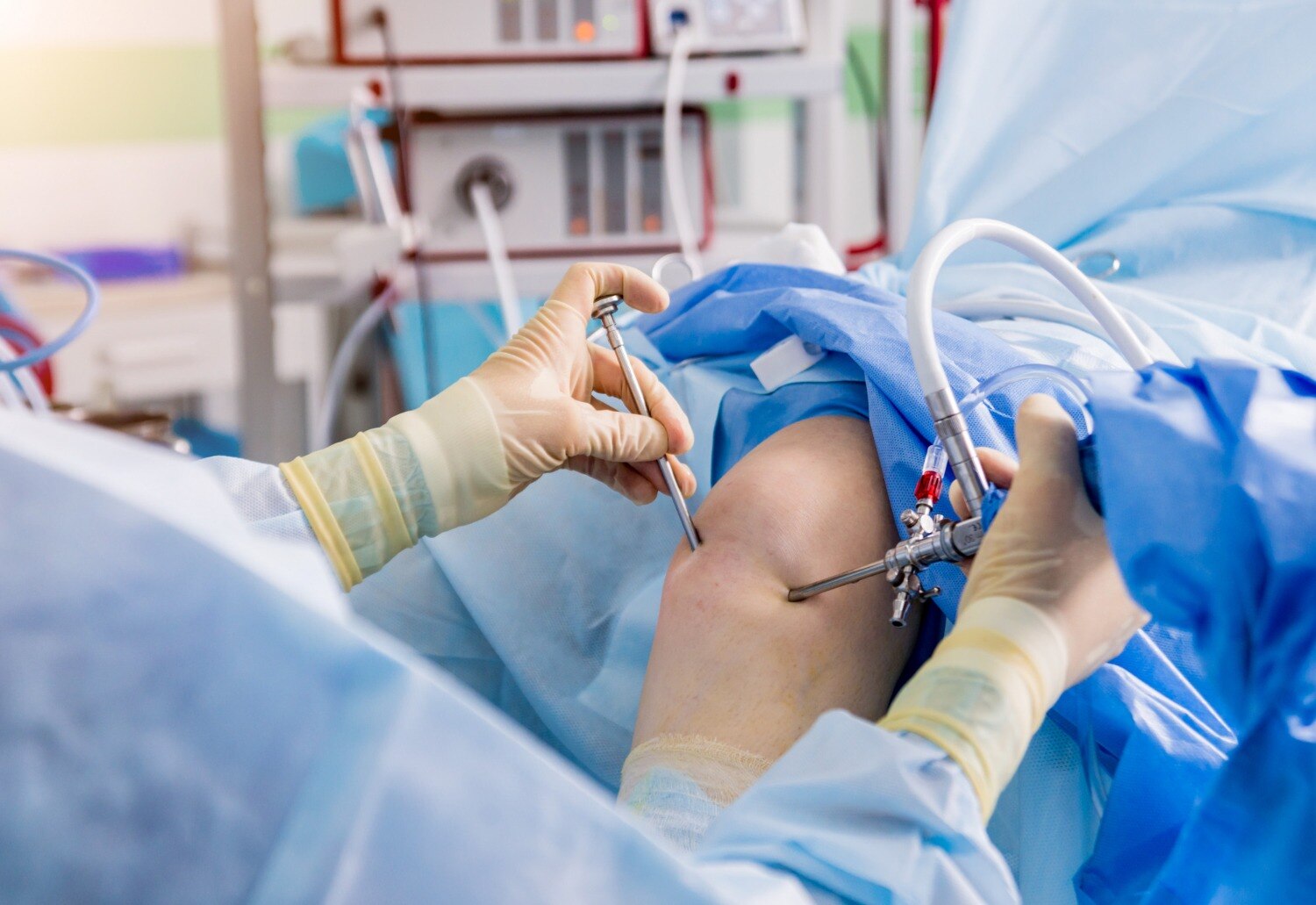
Knee arthroscopy is useful for selected meniscus, ligament, cartilage and loose-fragment problems, but it is not a universal treatment for knee pain or osteoarthritis. You will learn how surgeons decide whether it fits your diagnosis, what happens before and after surgery, how rehabilitation differs by procedure, and which hospital costs and safety details to compare.
Key takeaways
- A locked knee or identified joint lesion gives stronger grounds for arthroscopy than vague knee pain.
- Ask which lesion the procedure will treat, whether repair is possible, and what happens if findings differ.
- Plan for limited walking, driving restrictions and rehabilitation rather than same-day return to normal activity.
- Compare surgeon experience, hospital facilities, anesthesia, implants, physiotherapy and every item in the written quote.
When Knee Arthroscopy Is the Right Treatment—and When It Is Not
A mechanically locked knee or a clearly identified intra-articular lesion is a stronger reason for arthroscopy than isolated, nonspecific pain. Surgeons may treat a displaced or repairable meniscus tear, ACL or other ligament injury, loose bone or cartilage fragments, selected cartilage damage, synovitis and specific patellar conditions.
| Lesion or presentation | When arthroscopy may fit | When it is the wrong expectation |
|---|---|---|
| Meniscus tear | Displaced tissue causes locking, or the tear is repairable and matches examination findings | Degenerative fraying without locking or a treatable mechanical problem |
| ACL or ligament injury | Reconstruction or repair is planned for documented instability and activity goals | Pain exists without demonstrated instability or another correctable lesion |
| Loose fragment | Bone or cartilage fragment catches, locks, or repeatedly causes swelling | MRI shows a small incidental fragment that causes no symptoms |
| Cartilage, synovium or patella | A focal cartilage defect, inflamed synovium, or selected patellar condition has a defined treatment | Widespread cartilage loss or advanced osteoarthritis is the main cause |
An MRI finding alone does not prove that surgery will help; incidental meniscus tears become common with age. Symptoms, examination findings, weight-bearing X-rays and MRI must point to the same treatable problem.
Routine arthroscopy for degenerative knee pain or advanced osteoarthritis offers the wrong expectation when physiotherapy, an injection, pain management or joint replacement better addresses the cause. Before choosing an orthopedic hospital bibwewadi knee arthroscopy, ask what exact lesion the procedure will treat and what non-surgical option remains.
What the Evaluation and Proposed Procedure Should Establish
Before consent, the evaluation should connect your symptoms to a specific treatable problem. Tell the surgeon when pain, swelling, instability, giving-way or locking began, and describe what triggers it. The examination should assess tenderness, range of motion, ligament stability and weight-bearing ability.
Weight-bearing X-rays show alignment, joint-space loss and arthritis; MRI is indicated when meniscus, ligament or cartilage injury needs clarification.
1. Review every medicine and condition with the surgeon and anaesthetist. Name anticoagulants, diabetes treatment, bleeding disorders, allergies, infection risks and previous anaesthesia problems. Do not stop or continue medicine based on an online checklist; follow their written instructions.
2. Confirm what the operation is intended to establish or repair. An MRI finding alone does not prove that arthroscopy will relieve pain.
3. Ask for the exact procedure name, the expected weight-bearing limit, crutch or brace requirements, rehabilitation duration, alternatives such as physiotherapy, and the plan if the expected lesion is absent.
| Procedure | What it means | Main recovery implication |
|---|---|---|
| Diagnostic arthroscopy | Direct inspection of the joint | Depends on findings and any treatment added |
| Partial meniscectomy | Trimming unstable damaged tissue | Weight-bearing often progresses quickly |
| Meniscus repair | Securing a repairable tear | Longer protected weight-bearing and rehabilitation |
| ACL reconstruction | Rebuilding the torn ligament | Months of structured rehabilitation |
| Cartilage procedure | Treating a selected cartilage defect | Restrictions depend on location and technique |
Preserving a repairable meniscus protects useful cushioning, but repair is unsuitable for some tear patterns, locations or poor-quality tissue. Trimming may recover faster, yet removes damaged meniscal tissue; ask why one choice fits your knee.
What Happens on Surgery Day and During the First 24 Hours
Arrive at the time given by the hospital, often before the operating list begins, and follow its fasting instructions exactly. Eating or drinking after the stated deadline can delay anaesthesia.
- Bring your medication list, reports and an adult escort. The team confirms consent, marks the operative knee, checks allergies and reviews medicines. Stop or adjust anticoagulants, diabetes medicines or other drugs only when the surgeon or anaesthetist instructs you.
- The anaesthetist chooses regional anaesthesia, general anaesthesia or a planned combination according to the operation, your health and your preference after discussion. Do not assume that every arthroscopy uses the same technique.
- After surgery, staff monitor breathing, blood pressure, pain, nausea, sensation and leg circulation in recovery. Day-care discharge is suitable when you are alert, stable, able to drink and have safe support at home; overnight observation is needed when recovery is slow, pain or nausea is difficult to control, medical conditions require monitoring, or the procedure warrants it.
- During the first 24 hours, expect pain, swelling, bruising and stiffness. Keep the dressing dry and intact, apply ice or cold therapy as instructed, elevate the leg, take prescribed analgesia and perform only the approved exercises.
- Use crutches, a brace and weight-bearing limits exactly as prescribed for the actual procedure. A meniscus repair or ligament reconstruction needs different protection from a simple meniscus trimming.
Seek urgent medical assessment for fever, worsening redness or drainage, severe calf swelling or pain, chest pain, breathlessness, or a cold or numb foot.
How Long Walking, Work, Driving and Sport Can Take
There is no single arthroscopy timetable. Recovery depends on what was repaired, not on the small incisions: walking may improve quickly after uncomplicated diagnostic arthroscopy or partial meniscectomy, while repair or reconstruction protects healing tissue for weeks.
| Procedure | Walking and crutches | Work and sport |
|---|---|---|
| Diagnostic arthroscopy or partial meniscectomy | Weight-bearing often progresses quickly; crutches may be brief | Desk work can resume early; running and pivoting return after strength and control recover |
| Meniscus repair | Protected weight-bearing with crutches, sometimes for several weeks | Physical work takes longer; pivoting sport waits for healing and rehabilitation |
| Cartilage procedure or ACL reconstruction | Brace, crutches and restricted loading follow the written protocol | Work depends on demands; cutting and pivoting sports return much later |
Physiotherapy is treatment, not an optional add-on. It begins with swelling control, full knee extension and quadriceps activation, then advances to strength, stairs, squatting, running and sport-specific drills. Driving requires controlled walking, limited pain, no impairing medication and enough braking force for a safe emergency stop.
Your job’s demands determine work timing: desk duties differ from climbing, lifting or prolonged standing.
Persistent pain does not always mean a missed meniscal fragment. Cartilage loss, malalignment, inflammation or another pain source can remain, because arthroscopy does not cure established osteoarthritis. Complications include infection, bleeding, blood clots, stiffness, nerve or blood-vessel injury and persistent symptoms.
Seek urgent assessment for fever, wound drainage or redness, severe calf swelling or pain, chest pain, breathlessness, or a cold or numb foot.
How to Compare an Arthroscopy Hospital, Surgeon and Full Treatment Cost
A low package rate can hide the largest costs, especially when ligament reconstruction requires implants and extended rehabilitation. Request a written, itemised estimate before choosing an arthroscopy provider.
- Surgeon and anaesthetist fees
- Operating-room and day-care charges
- Overnight admission, if required
- MRI and laboratory tests
- Ligament-reconstruction implants
- Medicines and dressings
- Physiotherapy
- Follow-up consultations
- Expected time away from work
| Compare | Ask for | Why it matters |
|---|---|---|
| Surgeon | Training, relevant knee experience and exact procedure name | A nearby surgeon is not automatically the right surgeon |
| Facility | Hospital accreditation, recovery monitoring and overnight admission | Complications may require observation or treatment after day-care surgery |
| Rehabilitation | The person who writes the plan, weight-bearing limits and review schedule | Physiotherapy must cover swelling, knee extension, quadriceps activation and strength |
| Safety | The plan for urgent bleeding, infection, clot symptoms or uncontrolled pain | You need to know whom to contact and where you will be treated |
Whether you search for a knee arthroscopy surgeon Bibwewadi, an orthopedic doctor in Pune, or an orthopedic hospital near Kondhwa, proximity helps with reviews and follow-up but does not prove surgical quality.
An arthroscopy surgery hospital Bibwewadi should explain the diagnosis, alternatives such as physiotherapy, expected recovery and complications rather than offer only a package rate.
Spire Hospital-Best Orthopedic Hospital in Pune is one local option where you can ask these questions; compare its answers on diagnosis, procedure clarity, safety planning, rehabilitation access and the full estimate.
Related services
Orthopedic Treatments Best Arthroscopy Surgery Hospital in Bibwewadi, Dhankawadi, Market Yard, Kondhwa, Pune Spire Hospital is the Best Arthroscopy Surgery Hospital in Bibwewadi, Market Yard, Kondhwa, Undri, Swargate, Dhankawadi, Katraj, Ambegaon and Pune. View service → |
Orthopedic Surgeon Best Orthopedic Surgeon in Bibwewadi, Dhankawadi, Market Yard, Kondhwa, Pune Dr. Gaurav Pawar is a highly accomplished Orthopedic Surgeon, Hip and Knee Joint Replacement & Sports Injury (Arthroscopy) Surgeon in Bibwewadi,... View service → |
Frequently asked questions
When is knee arthroscopy the right treatment?
It is more appropriate for a mechanically locked knee or a clearly identified intra-articular problem, such as a displaced or repairable meniscus tear, ligament injury, loose fragment, selected cartilage damage or synovitis.
What should a knee arthroscopy evaluation establish?
The evaluation should identify the exact lesion, explain why arthroscopy is recommended, clarify whether the tissue will be repaired or removed, and set out alternatives, risks and expected rehabilitation.
What happens during the first 24 hours after knee arthroscopy?
You can expect recovery from anesthesia, pain and swelling control, wound and dressing instructions, guidance on weight-bearing and exercises, and a discharge plan with warning signs that require medical attention.
How long can walking, work, driving and sport take after arthroscopy?
The timeline depends on the procedure. Simple diagnostic or partial procedures usually recover faster than meniscus repair or ligament reconstruction, so confirm weight-bearing, driving, work and sport milestones with your surgeon.
How should you compare an arthroscopy hospital and the full treatment cost?
Compare the surgeon’s plan and experience, anesthesia and operating-room charges, imaging, implants or consumables, medicines, physiotherapy, follow-up visits and complication-related costs in a written estimate.
Keywords