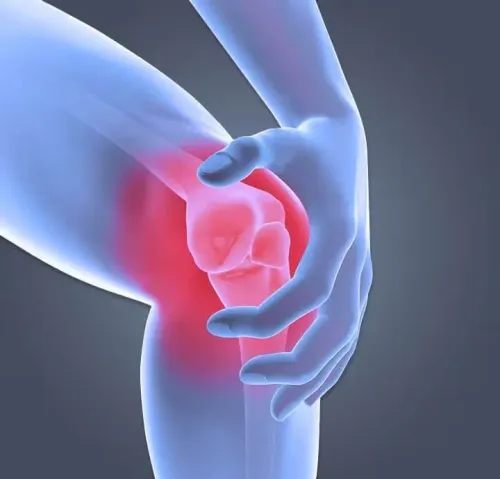



Knee pain can start as a mild inconvenience but gradually become a major obstacle in daily life. Climbing stairs, walking short distances, standing for long periods, or even getting out of a chair may become increasingly difficult. While many knee problems improve with medication, physiotherapy, or lifestyle changes, there are situations where surgery becomes the most effective long-term solution. Understanding when to consult a knee replacement surgeon in Pune can help patients make informed decisions before pain significantly affects their quality of life.
For many adults in Pune, especially those living in areas such as Bibwewadi and nearby neighborhoods, active lifestyles, aging, and previous injuries can all contribute to knee joint damage. Seeking timely medical advice often prevents unnecessary suffering and helps patients explore all available treatment options.
Understanding Knee Replacement Surgery
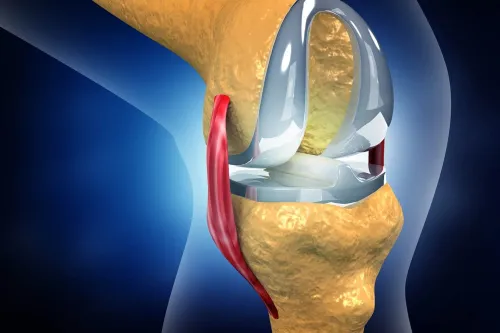
Knee replacement surgery is a procedure in which damaged portions of the knee joint are replaced with artificial components designed to restore movement and reduce pain. The goal is not simply to replace the joint but to improve mobility, stability, and overall function.
Depending on the condition of the knee, a surgeon may recommend:
- Partial knee replacement
- Total knee replacement
- Revision knee replacement for previously operated knees
Each option is selected after evaluating the patient's symptoms, imaging reports, activity level, and overall health.
Common Reasons People Need Knee Replacement
Several conditions can gradually damage the knee joint over time.
The most common causes include:
- Osteoarthritis
- Rheumatoid arthritis
- Post-traumatic arthritis
- Severe cartilage wear
- Long-standing ligament injuries
- Deformities affecting knee alignment
Although these conditions develop differently, they often lead to persistent pain, stiffness, and reduced mobility if left untreated.
Signs That You Should See a Knee Replacement Surgeon
Not every painful knee requires surgery. However, certain symptoms indicate that a specialist evaluation is worthwhile.
Watch for signs such as:
- Persistent knee pain lasting several months
- Difficulty walking even short distances
- Pain that interrupts sleep
- Swelling that keeps returning
- Reduced range of motion
- Knee deformity or bowing
- Failure of medications or physiotherapy to provide lasting relief
When these symptoms continue despite conservative treatment, an orthopedic consultation can help determine the next steps.
What Happens During the Initial Consultation?
A consultation with an orthopedic specialist involves much more than reviewing an X-ray.
Typically, the evaluation includes:
- Medical history review
- Physical examination
- Assessment of walking pattern
- Joint stability evaluation
- Imaging studies such as X-rays or MRI when necessary
- Discussion about previous treatments
This comprehensive approach helps determine whether surgery is appropriate or if non-surgical options remain effective.
Non-Surgical Treatments Are Usually Considered First
Many patients are surprised to learn that surgery is rarely the first recommendation.
Doctors often begin with treatments such as:
- Physiotherapy
- Weight management
- Anti-inflammatory medications
- Activity modification
- Knee braces
- Joint injections where appropriate
Only when these methods no longer provide sufficient relief does knee replacement become a more suitable option.
Benefits of Timely Knee Replacement
Delaying surgery despite severe joint damage may reduce mobility and affect overall health.
Patients who undergo surgery at the appropriate stage often experience improvements such as:
- Significant reduction in chronic pain
- Better walking ability
- Increased independence
- Improved joint alignment
- Enhanced participation in everyday activities
- Better overall quality of life
The outcome depends on factors including rehabilitation, overall health, and adherence to post-operative guidance.
Recovery Requires Active Participation
Successful recovery involves more than the surgical procedure itself.
Most rehabilitation plans include:
- Guided physiotherapy
- Muscle-strengthening exercises
- Walking practice
- Balance training
- Gradual return to daily activities
Following the rehabilitation schedule consistently plays an important role in restoring knee function.
Choosing the Right Hospital Matters
When evaluating treatment options, patients often consider several factors beyond the surgeon alone.
Important aspects include:
- Experience of the orthopedic team
- Advanced surgical technology
- Comprehensive diagnostic facilities
- Dedicated rehabilitation support
- Infection prevention protocols
- Patient education before and after surgery
Hospitals offering multidisciplinary orthopedic care can provide coordinated treatment throughout the recovery journey.
Orthopedic Care in Pune
Residents across Pune, including Kondhwa, Katraj, Undri, Wanowrie, and Hadapsar, have access to modern orthopedic services that focus on evidence-based treatment and personalized care. Facilities such as Spire Hospital – Best Orthopedic Hospital emphasize detailed diagnosis, individualized treatment planning, and structured rehabilitation so patients understand every stage of their treatment.
Living with chronic knee pain should not become the new normal. Consulting an experienced orthopedic specialist helps identify the underlying cause and determine whether lifestyle modifications, conservative therapies, or knee replacement surgery offer the most suitable path toward improved mobility. Early evaluation often leads to better treatment planning and greater confidence in making long-term healthcare decisions.