

Knee pain can gradually change the way a person walks, works, sleeps, and manages everyday activities. For some people, medicines, physiotherapy, exercise, and lifestyle changes provide adequate relief. For others, knee damage continues to progress and begins to significantly restrict mobility. At this stage, consulting a Knee Replacement Surgeon in Bibwewadi can help determine whether surgery should be considered.
Knee replacement is generally evaluated when the joint has sustained significant damage from conditions such as osteoarthritis, rheumatoid arthritis, previous injuries, or other degenerative joint problems. The decision is not based on age alone. Symptoms, X-ray findings, overall health, activity limitations, and response to previous treatments all matter.
Signs That Your Knee May Need Further Evaluation
Occasional knee discomfort does not automatically mean that joint replacement is necessary. A detailed orthopaedic assessment becomes more important when symptoms persist or begin affecting normal life.
Common reasons to seek an evaluation include:
- Knee pain while walking or climbing stairs
- Difficulty standing up from a chair
- Persistent stiffness after rest
- Pain that interferes with sleep
- Reduced walking distance
- Swelling that repeatedly returns
- Increasing dependence on pain medication
- Difficulty performing routine household or work activities
- Visible changes in knee alignment
These symptoms can have different causes, so identifying the underlying problem is the first step.
What Happens During a Knee Assessment
A knee replacement surgeon usually begins by understanding how long the symptoms have been present and how they affect daily activities. Previous injuries, treatments, medical conditions, and current medications may also be reviewed.
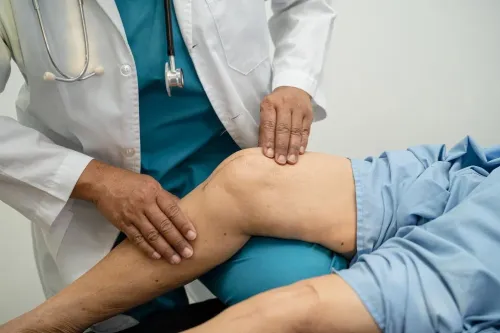
The physical examination may assess joint movement, stability, tenderness, swelling, walking pattern, and leg alignment. Imaging such as X-rays can provide information about cartilage loss, joint-space narrowing, bone changes, and the extent of arthritis.
This combination helps determine whether symptoms can still be managed without surgery or whether replacement should be discussed.
Is Surgery Always the First Recommendation
No. Many people with knee arthritis can initially manage their symptoms through non-surgical treatment.
Depending on the condition, management may involve:
- Physiotherapy
- Strengthening exercises
- Activity modification
- Weight management
- Appropriate pain-relief medication
- Joint injections in selected cases
- Walking aids when required
Surgery generally becomes a consideration when these measures no longer provide sufficient relief and knee problems significantly affect quality of life.
Understanding the Purpose of Knee Replacement
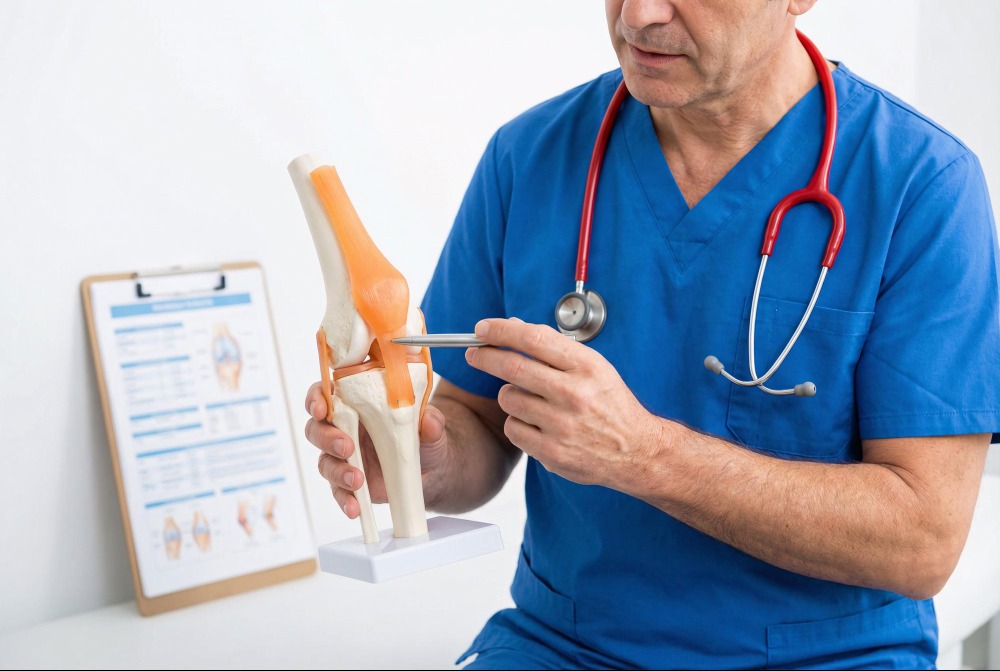
Knee replacement surgery involves removing damaged joint surfaces and replacing them with artificial components designed to restore smoother joint movement. The aim is to reduce pain associated with severe joint damage and improve functional mobility.
Recovery is gradual. Physiotherapy, strengthening, walking practice, wound care, and follow-up assessments are important parts of rehabilitation. Individual recovery timelines differ according to age, general health, muscle strength, surgical factors, and adherence to rehabilitation.
For people exploring knee treatment in Bibwewadi, Spire Hospital-Best Orthopedic Hospital provides orthopaedic evaluation for knee conditions, including cases where joint replacement may need to be considered.
The most useful time to consult a knee replacement surgeon is not simply when an X-ray shows arthritis. An assessment becomes particularly valuable when knee pain begins controlling everyday choices, limiting movement, or continuing despite appropriate conservative treatment.