

Persistent knee pain does not always require major surgery. Certain problems inside the joint can be evaluated and treated using arthroscopy, a minimally invasive technique that allows the surgeon to examine internal knee structures through small incisions. Consulting a Knee Arthroscopy Surgeon in Undri can help determine whether this procedure is appropriate for a particular knee condition.
Arthroscopy is not a universal treatment for every type of knee pain. Its usefulness depends on what is causing the symptoms.
What Is Knee Arthroscopy
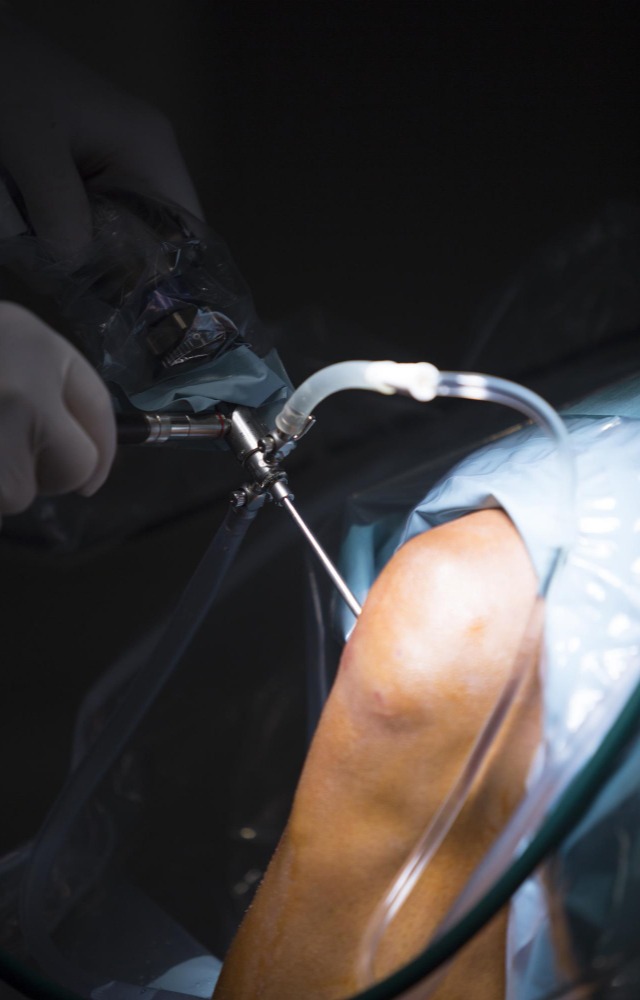
During knee arthroscopy, a small camera called an arthroscope is inserted into the joint. The camera provides a detailed view of structures such as cartilage, menisci, and ligaments.
Additional small instruments may be introduced through separate incisions when treatment is required.
Arthroscopy may be considered for selected conditions involving:
- Meniscus injuries
- Certain cartilage problems
- Loose fragments within the joint
- Some ligament-related procedures
- Specific causes of mechanical locking or catching
Whether arthroscopy is appropriate depends on clinical examination and imaging findings.
Symptoms That Need Orthopaedic Evaluation
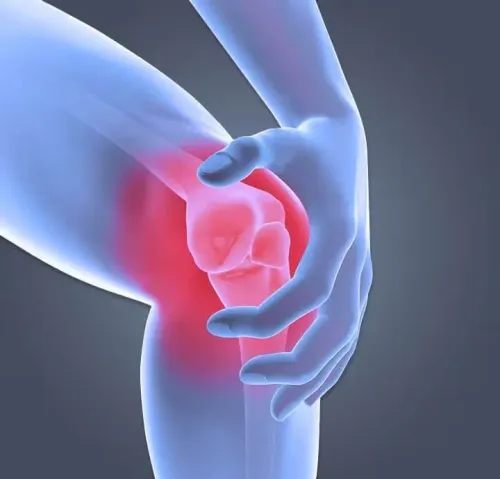
Patients sometimes delay assessment because they expect knee discomfort to settle naturally. While minor strains can improve with rest, persistent mechanical symptoms deserve attention.
Consider an orthopaedic assessment if you experience:
- Repeated knee locking
- Catching during movement
- Persistent swelling
- Difficulty fully bending or straightening the knee
- Pain following a twisting injury
- Knee instability
- Symptoms that remain despite physiotherapy or medication
These symptoms do not necessarily mean arthroscopy is required. They indicate that the underlying problem should be identified.
Arthroscopy Is Different From Knee Replacement
Patients occasionally confuse arthroscopy with joint replacement.
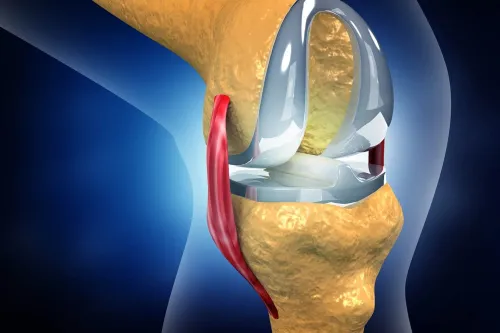
Arthroscopy preserves the existing knee joint and addresses selected problems through small incisions. Knee replacement involves replacing severely damaged joint surfaces with artificial components.
For widespread advanced arthritis, arthroscopy may not provide the same benefit as treatments designed specifically for degenerative joint disease.
What Should You Ask Before Arthroscopy
Before agreeing to treatment, ask what structure inside the knee is causing the symptoms and how arthroscopy is expected to address it.
It is also useful to understand:
- Expected recovery period
- When walking may resume
- Whether physiotherapy will be required
- Activity restrictions after treatment
- When work can generally be resumed
- Possible risks and limitations of the procedure
Clear expectations are particularly important because recovery varies according to the procedure performed.
Patients seeking assessment in Undri can consult the orthopaedic team at Spire Hospital-Best Orthopedic Hospital for evaluation of knee injuries and conditions where arthroscopic treatment may be considered.
The key is choosing arthroscopy for the right reason. A careful diagnosis should always come before deciding on a procedure.