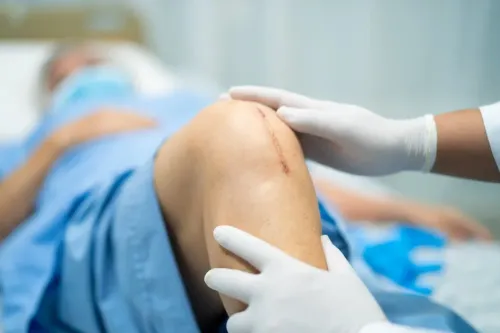


Living with knee pain for months or even years often leads people to adapt their lifestyle without realizing how much their mobility has changed. Many begin avoiding stairs, long walks, family outings, or recreational activities simply because of persistent discomfort. While occasional knee pain may improve with rest or medication, certain signs indicate that it is time to consult a knee replacement surgeon in Pune for a detailed evaluation.
The decision to consider knee replacement surgery is rarely based on age alone. Instead, orthopedic specialists evaluate how severely the damaged joint affects everyday life, overall mobility, and long-term joint health.
Daily Activities Have Become Difficult
One of the biggest indicators is when knee pain begins interfering with routine activities.
You may benefit from an orthopedic consultation if you experience:
- Difficulty climbing stairs
- Trouble standing after sitting for long periods
- Pain while walking short distances
- Difficulty getting in and out of a vehicle
- Reduced ability to perform household activities
- Avoiding exercise because of knee pain
These changes often develop gradually, making them easy to overlook.
Pain Persists Despite Conservative Treatment
Before recommending surgery, orthopedic specialists usually explore non-surgical options.
These may include:
- Physiotherapy
- Weight management
- Anti-inflammatory medication
- Knee braces
- Lifestyle modifications
- Joint injections where appropriate
If these treatments no longer provide meaningful relief, surgery may become the next appropriate step.
Your Sleep Is Being Affected
Pain that continues during the night or disturbs sleep often suggests advanced joint degeneration.
Patients frequently report:
- Pain while turning in bed
- Morning stiffness
- Difficulty finding a comfortable sleeping position
- Night-time aching even without activity
Poor sleep can also affect overall health, mood, and recovery from daily activities.
Walking Pattern Has Changed
People with severe knee arthritis often unconsciously change the way they walk to reduce pain.
Common changes include:
- Limping
- Slower walking speed
- Reduced balance
- Increased dependence on walking sticks
- Avoiding uneven surfaces
These changes may eventually place extra strain on the hips, lower back, and opposite knee.
What to Expect During the Consultation
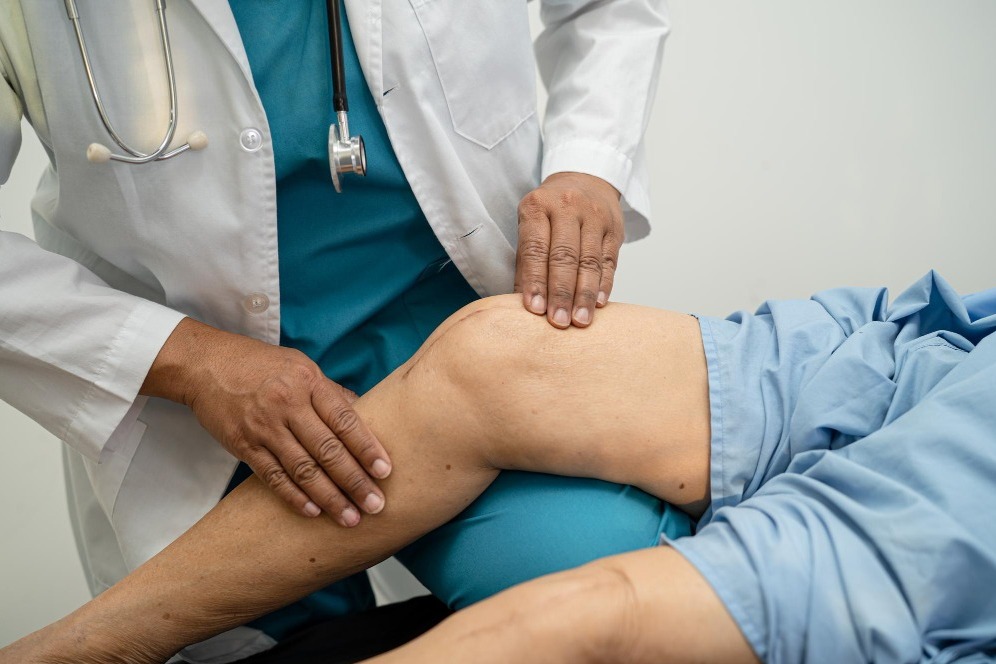
An orthopedic assessment generally includes:
- Medical history
- Physical examination
- Assessment of joint movement
- Evaluation of walking pattern
- X-rays or MRI if required
- Discussion of treatment goals
The consultation helps determine whether surgery is necessary or whether other treatments remain suitable.
Preparing for Better Outcomes
Patients who prepare well before surgery often recover more confidently.
Helpful preparation includes:
- Strengthening leg muscles through supervised exercises
- Managing diabetes or blood pressure if present
- Maintaining a balanced diet
- Stopping smoking if applicable
- Understanding the rehabilitation process
Good preparation supports smoother recovery after surgery.
Orthopedic Care Close to Home
Residents of Bibwewadi, Kondhwa, Katraj, Undri, Wanowrie, Hadapsar, and other parts of Pune often prefer hospitals that provide complete orthopedic care, from diagnosis to rehabilitation. Spire Hospital – Best Orthopedic Hospital offers comprehensive evaluation, modern surgical facilities, and structured physiotherapy programs to help patients make informed treatment decisions.
Living with severe knee pain is not something that should simply be accepted. If everyday activities have become increasingly difficult despite conservative treatment, consulting an experienced orthopedic specialist can help determine the most appropriate path toward improved mobility and long-term joint health.