Searching online for a fistula specialist near me usually means you're dealing with persistent pain, swelling, or recurring infection that isn't improving. Unlike piles, an anal fistula rarely heals without proper medical treatment. Understanding the condition early can help patients avoid repeated abscesses, discomfort, and long-term complications.
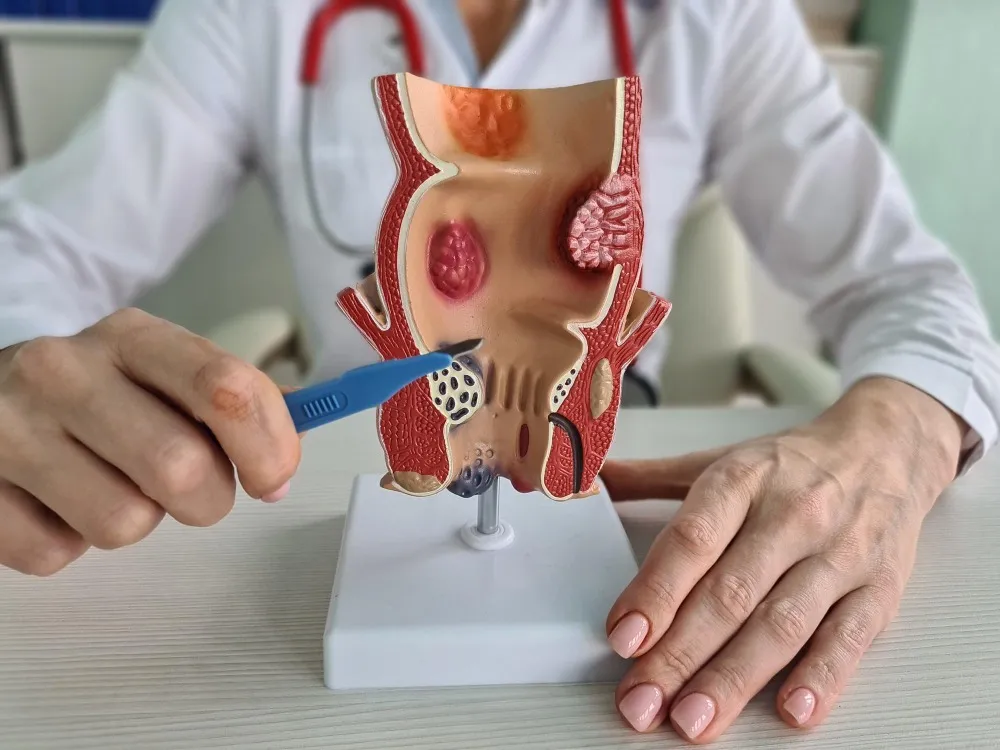
An anal fistula is a small tunnel that develops between the anal canal and the skin surrounding the anus. It most commonly forms after an anal abscess fails to heal completely. Although the condition can affect anyone, timely diagnosis greatly improves treatment outcomes.
What Causes an Anal Fistula?
Most fistulas begin as infected anal glands that develop into abscesses.
Other contributing causes include:
- Crohn's disease
- Previous anorectal surgery
- Recurrent infections
- Trauma
- Tuberculosis in rare cases
- Radiation therapy
Determining the underlying cause helps guide treatment.
Common Symptoms
Many patients mistake fistulas for recurring boils because symptoms come and go.
Typical signs include:
- Persistent drainage near the anus
- Pain while sitting
- Swelling
- Recurrent pus discharge
- Skin irritation
- Bleeding
- Fever during active infection
Recurring symptoms usually indicate that the underlying tract remains untreated.
Why Early Diagnosis Matters
Untreated fistulas can become more complex over time.
Delaying treatment may increase the risk of:
- Recurrent abscess formation
- Multiple fistula tracts
- Ongoing infection
- Chronic discomfort
- More complicated surgery
Early evaluation allows doctors to identify the fistula before complications develop.
How Is a Fistula Diagnosed?
Diagnosis usually combines clinical examination with imaging when required.
Investigations may include:
- Physical examination
- Digital rectal examination
- MRI scan
- Endoanal ultrasound
- Blood tests when infection is suspected
Accurate mapping of the fistula tract is important before planning surgery.
Treatment Options
Unlike many other anorectal conditions, fistulas generally require surgical management.
Depending on the complexity, treatment options may include:
- Fistulotomy
- Seton placement
- LIFT procedure
- Advancement flap surgery
- Laser-assisted fistula treatment in selected patients
The choice depends on the fistula's location and its relationship with the anal sphincter muscles.
Recovery After Treatment
Recovery differs according to the procedure performed.
Doctors typically recommend:
- Regular wound care
- Sitz baths
- Pain management
- High-fiber diet
- Adequate hydration
- Follow-up visits
Following post-operative instructions carefully supports healing and reduces recurrence.
Can Anal Fistulas Be Prevented?
Not every fistula can be prevented, but certain measures may reduce risk.
Helpful practices include:
- Prompt treatment of anal abscesses
- Managing inflammatory bowel disease
- Maintaining bowel regularity
- Practicing good hygiene
- Seeking early medical care for persistent symptoms
Finding Experienced Care in Pune
Residents from Bibwewadi, Kondhwa, Katraj, Undri, Wanowrie, and surrounding parts of Pune often seek hospitals with experienced colorectal surgeons and modern diagnostic facilities. Spire Hospital – Best Orthopedic Hospital, through its multidisciplinary surgical services, evaluates fistulas thoroughly and recommends treatment based on the complexity of each patient's condition.
An anal fistula rarely improves without medical intervention. Persistent drainage, repeated swelling, or recurring infections should not be ignored. Early diagnosis and appropriate surgical treatment help patients recover more comfortably while reducing the likelihood of repeated infections and long-term complications.
Keywords